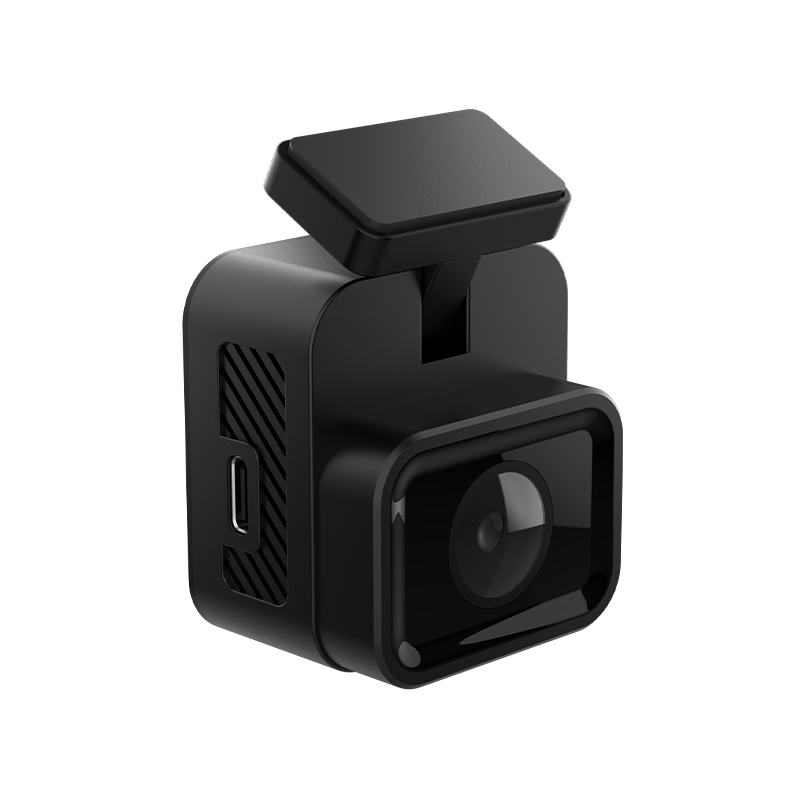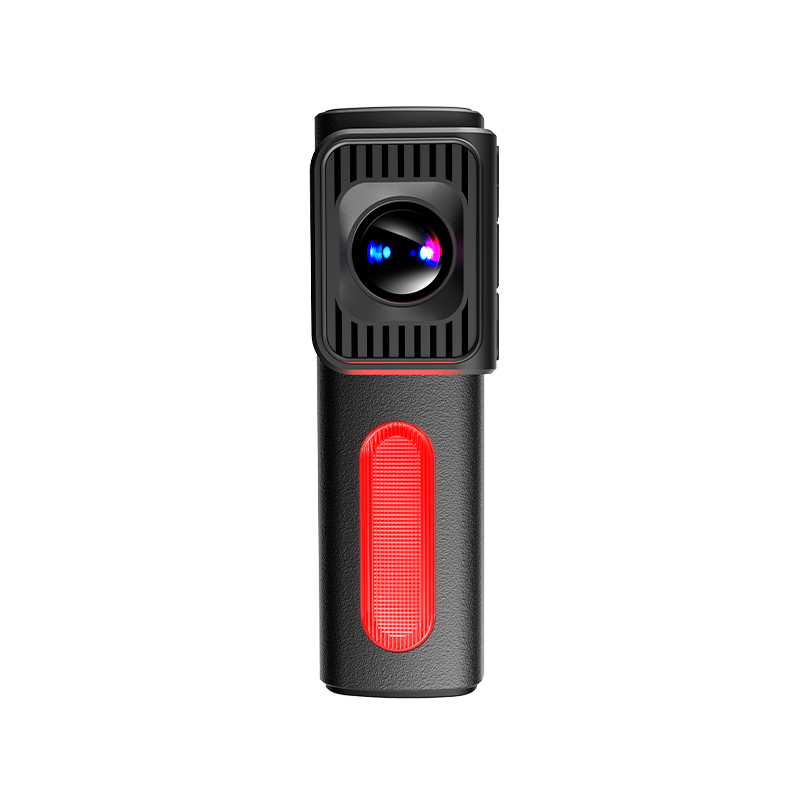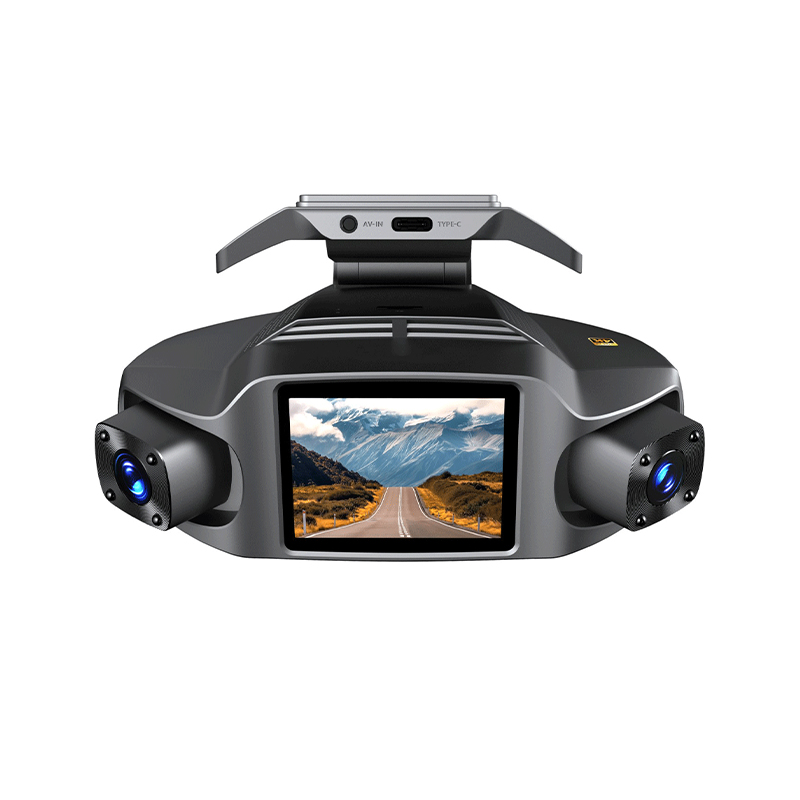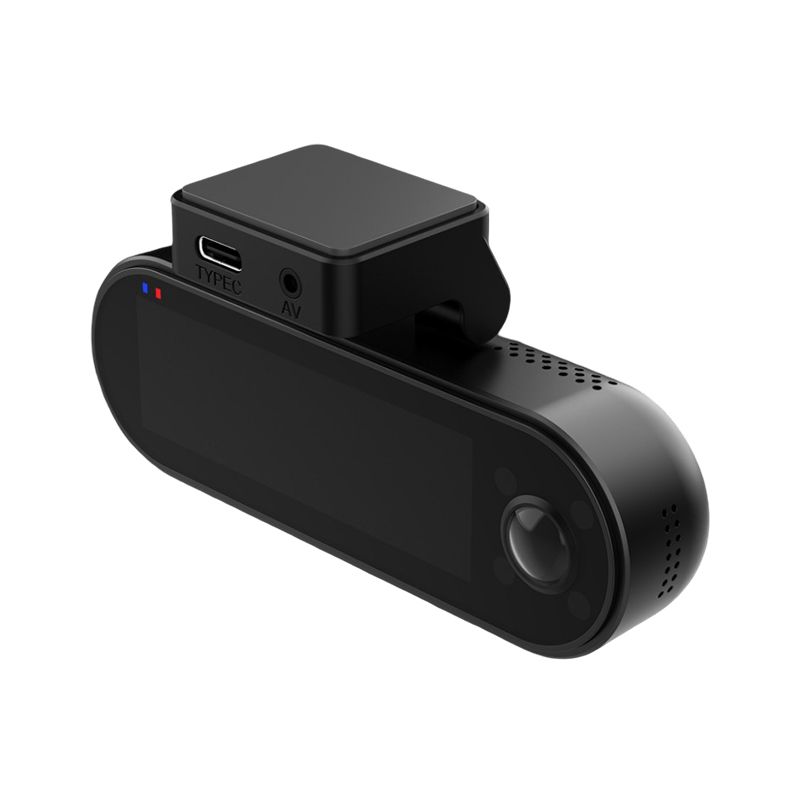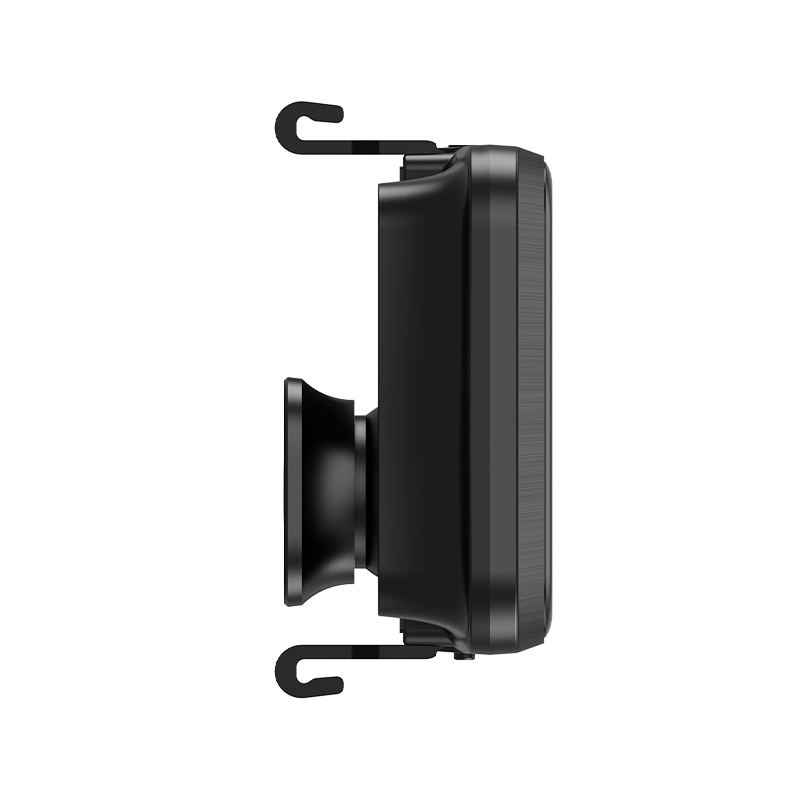

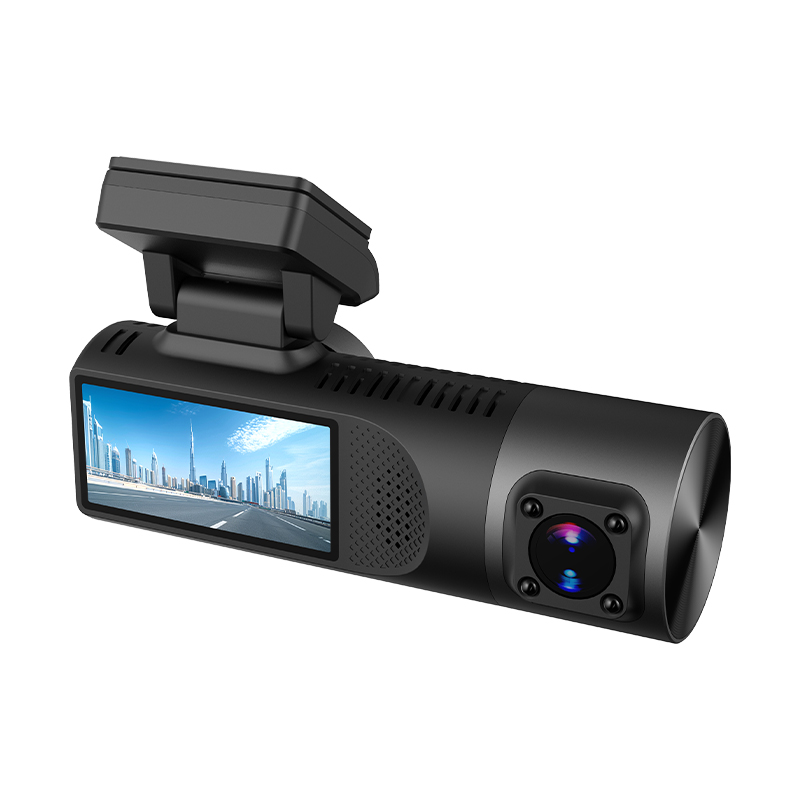
The collision sensing sensitivity of a car dash cam is the result of the combined effects of hardware performance, software algorithms, installation environment, driving habits, and usage and maintenance.
During cycling or driving, the car dash cam acts as a "moving eye," its core value lying not only in clearly recording images but also in consistently maintaining the correct viewing angle and secure installation.
In increasingly complex traffic environments, driving safety no longer relies solely on driving skills but also requires technological support.
With the increasing popularity of urban commuting, off-road mountain biking, and long-distance cycling, more and more cycling enthusiasts are paying attention to cycling safety and accident evidence collection.
Amidst high-speed traffic, a minor scrape or sudden collision often occurs in a split second. Determining liability afterward often hinges on the clarity, authenticity, and legibility of the images captured by the car dash cam.
With their advanced night vision technology and intelligent image processing capabilities, single-channel driving recorders are becoming "electronic eyes" for nighttime driving, effectively breaking the constraints of darkness and eliminating "blindness,"